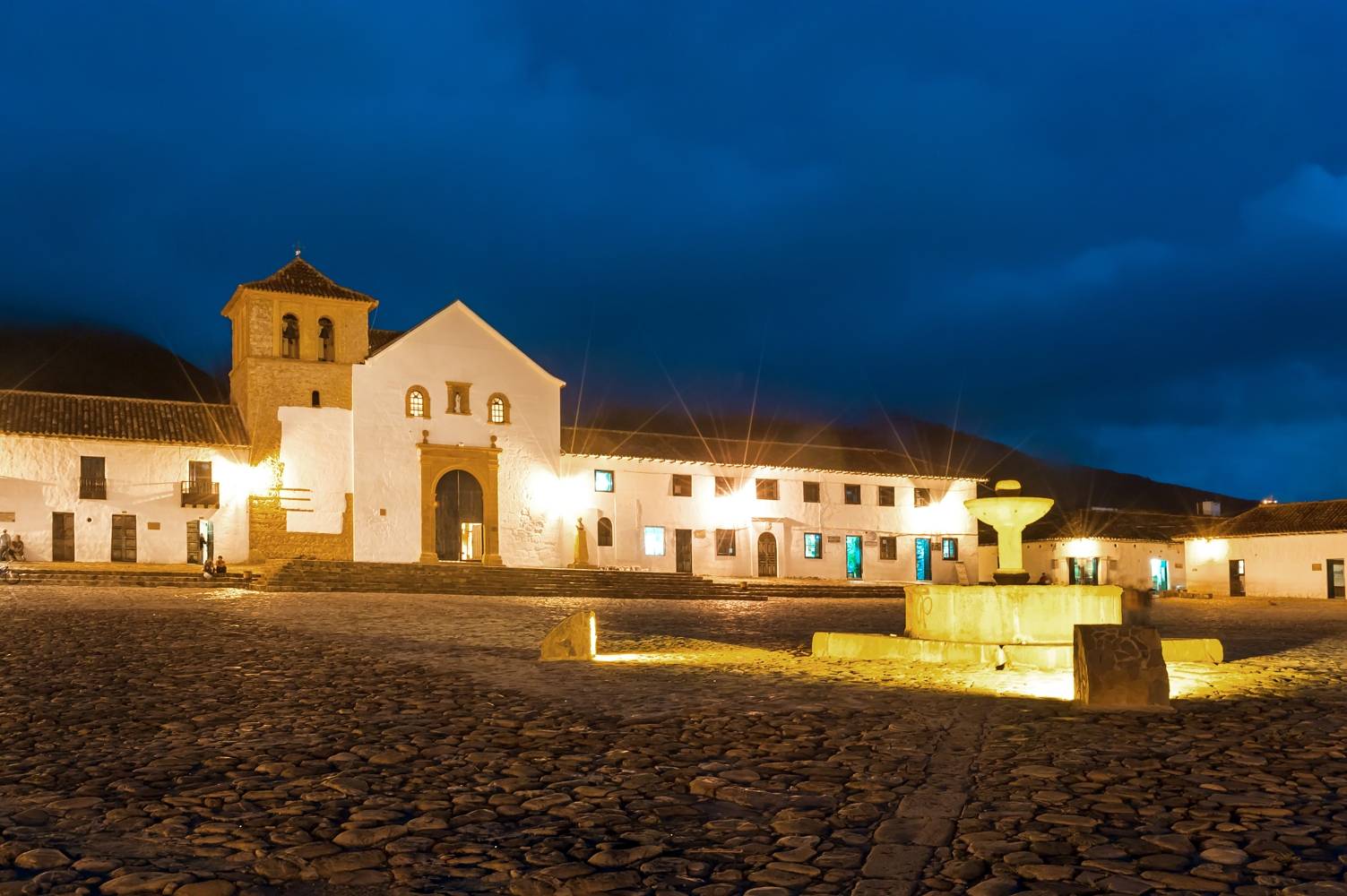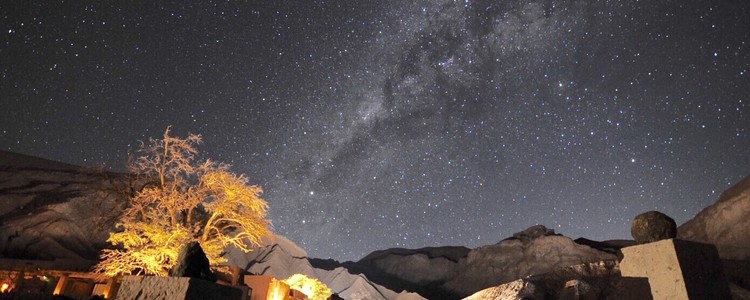

For many years, access to Machu Picchu was simply a case of logistics: arriving at the station, boarding the train, and continuing on to the citadel. Today, however, rail travel has become one of the factors that most strongly influences a traveller’s final decision to choose Peru.
For most travellers, the rhythm of an itinerary is just as important as the destinations themselves. Clients no longer compare only landscapes between countries but now also how the journey is experienced. In this context, the train allows a necessary transfer to be transformed into an experience with real value, particularly relevant in two-week itineraries where every day matters.
Beyond comfort, rail travel offers operational reliability, reduced exposure to flight delays, and—most importantly—a gradual gain in altitude, which many travellers handle better than a direct flight to high-altitude Andean cities.
Machu Picchu: The Train as Part of the Experience
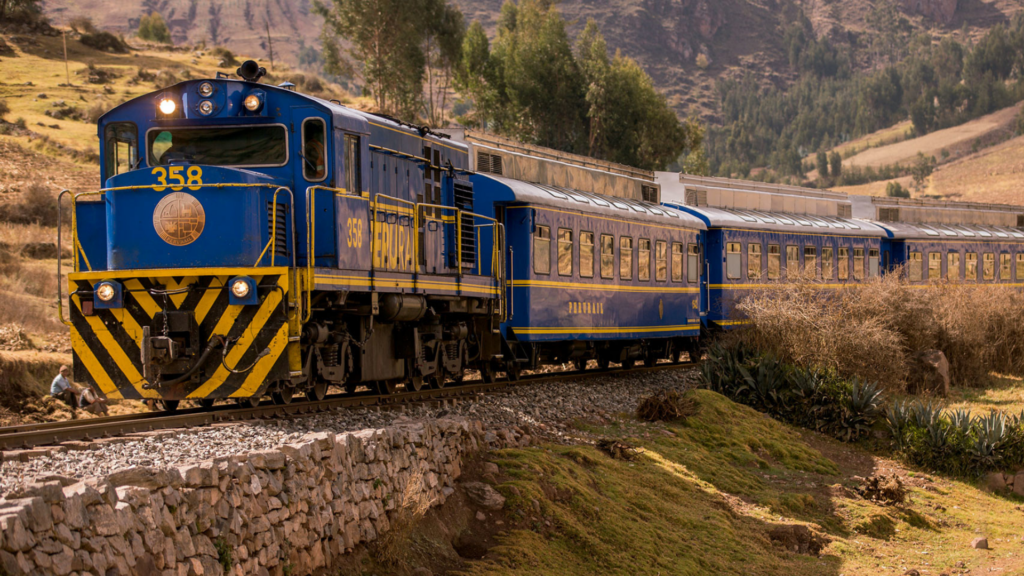
The railway route to Machu Picchu connects Ollantaytambo, in the Sacred Valley, with Machu Picchu Pueblo (Aguas Calientes). It is operated by two companies, PeruRail and Inca Rail, with most passengers travelling on shared services. However, there is a product still often overlooked: private rail carriages.
Both operators offer small exclusive carriages coupled to regular trains. Far from being an out-of-reach luxury, these function as a small-group experience. When the cost is shared among eight to ten passengers, many clients who initially considered a standard service choose to privatise the space.
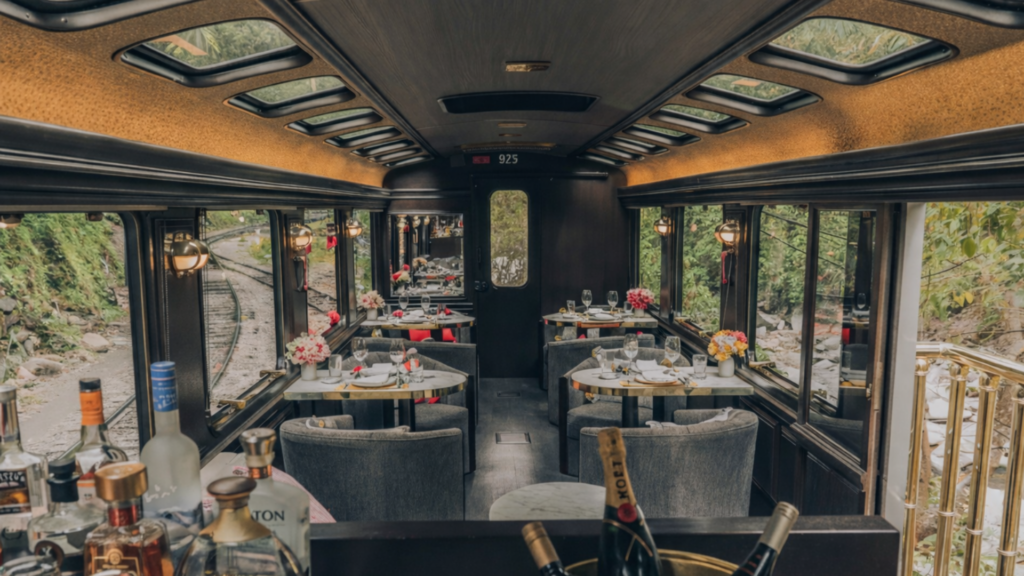
The appeal goes beyond comfort. Most travellers consider the journey to Machu Picchu to begin on the train itself. The 1 hour 40 minute ride follows the Urubamba River Valley and offers open-air balconies—highly valued by guests seeking photography opportunities or a more immersive experience.
This is also a popular option for multigenerational families, anniversary trips, or honeymoons: access to the archaeological site is no longer the only memorable moment of the day. The transfer itself becomes part of the travel memory.
Another point to consider is altitude. Ollantaytambo sits at a lower elevation than Cusco, so spending the first night in the Sacred Valley and boarding the train from there supports better acclimatisation. When explained this way, the train becomes not only an stylish choice, but a practical decision reducing travellers’ anxiety about altitude.
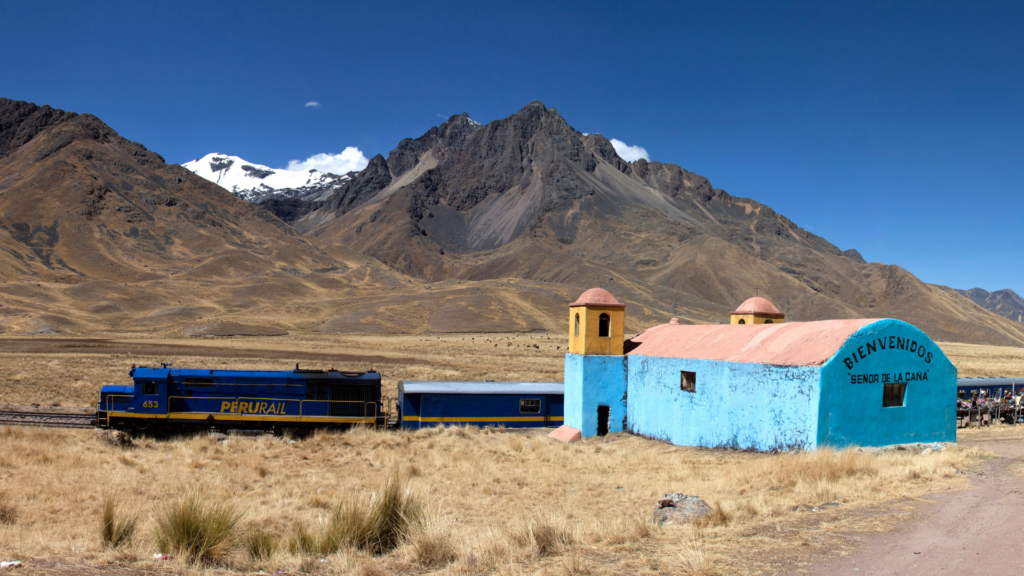
The Andean Corridor: From Scenic Transfer to “Land Cruise”
Further south, the rail connection between Cusco and Lake Titicaca offers two products, each suited to differing traveller profiles.
The daytime train between Cusco and Puno allows travellers to cross the Altiplano during daylight hours, with cultural stops and expansive panoramic views. For many guests, especially those who prefer to avoid additional airports, this journey becomes a natural transition between the Inca world and the Lake Titicaca region.
This is also considered the best option for gradual acclimatisation. Arriving in Puno overland is generally better tolerated than taking a short flight.
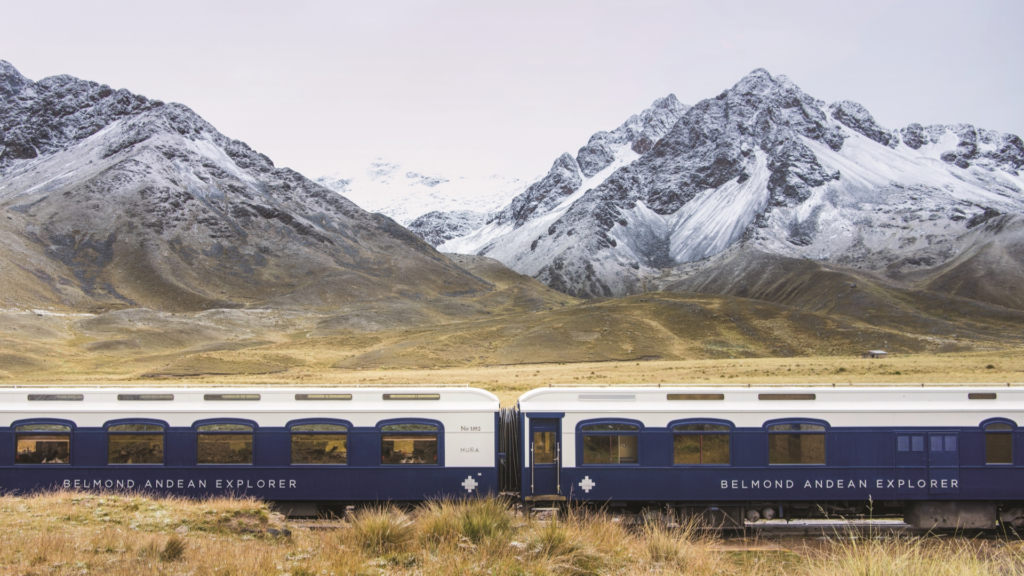
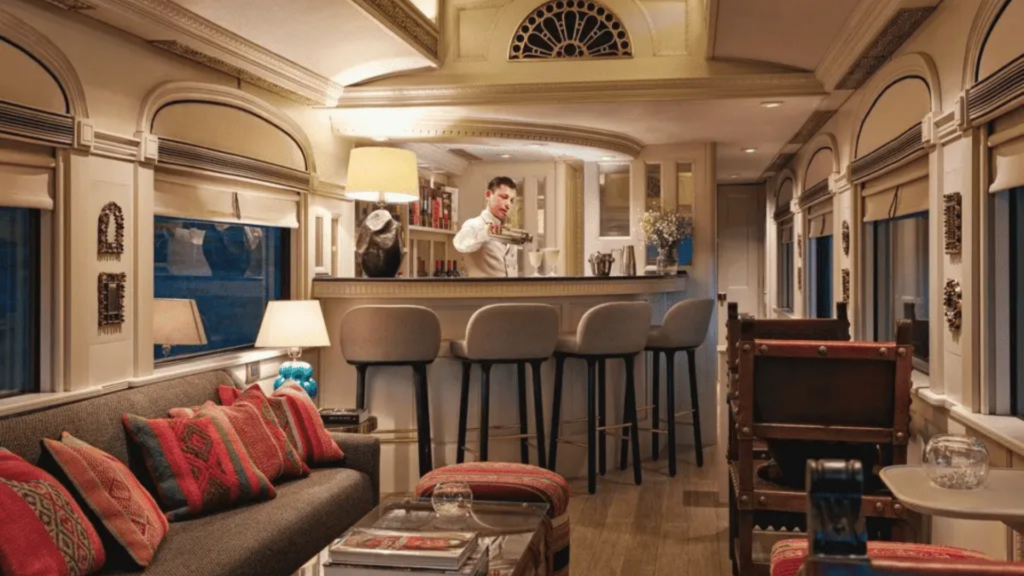
At a higher level sits the Belmond Andean Explorer, a luxury overnight train that should be sold more like a boutique cruise or safari lodge than to a normal means of transportation. Guests sleep on board in private cabins, and the journey includes off-train experiences such as visits to Lake Titicaca or, on extended routes, the Colca Canyon en route to Arequipa.
When pitched as just means of transport, clients will only see the cost—not the experience. If the train is framed as a major event rather than just a transfer, it becomes one of the best parts of the trip. It all comes down to how the story is told — that’s what makes the price feel worth it.
Why Trains Help Close the Sale
The growing interest in experiential travel has changed how travellers look at destinations. It’s not just about checking boxes on a map anymore; how travellers move between them matters.
Building in rail segments to itineraries allows operators to reduce internal flights, improve altitude adaptation, better pace the journey and add experiences without extending the length of the itinerary.
For clients undecided between destinations, the opportunity to cross the Andes by land offers a compelling narrative: it is not only about seeing Machu Picchu, but about gradually crossing landscapes and cultures.
For this reason, presenting the train as one of the journey’s highlights—rather than as a logistical requirement—often becomes a big factor in getting the booking confirmed.
For more information about experiencing train travel through Peru or any adventures with Vipac Travel, please contact millie@americas.co.uk