
The Devil’s Nose Train is one of Ecuador’s most emblematic railway landmarks, known for its zigzag route carved into a steep Andean mountainside. More than an engineering solution, it reflects a period of ambition, intense human effort, and adaptation to challenging terrain. Today, this historic railway section is gradually returning, bringing renewed attention to its legacy and to the Andean communities closely connected to its history.
A Brief Look at the Devil’s Nose
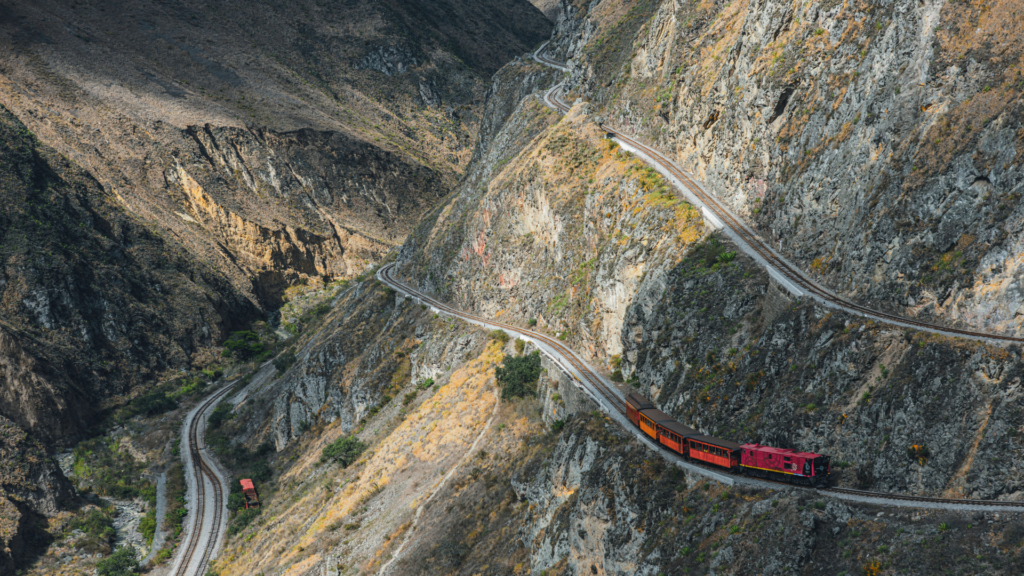
Built between 1899 and 1908, Ecuador’s railway includes one section that stands out for its complexity and character: the Devil’s Nose. This stretch of track reflects an important moment in the country’s history, when large infrastructure projects sought to respond to challenging geography through practical engineering solutions. The zigzag design that defines the Devil’s Nose was developed during the presidency of Eloy Alfaro, with the technical contribution of engineers John and Archer Harman.
Over time, the Devil’s Nose became one of the most recognisable railway sections in Ecuador. Its importance lies not in distance or speed, but in the way it addressed an extreme natural setting and became part of the identity of the Andean region where it was built.
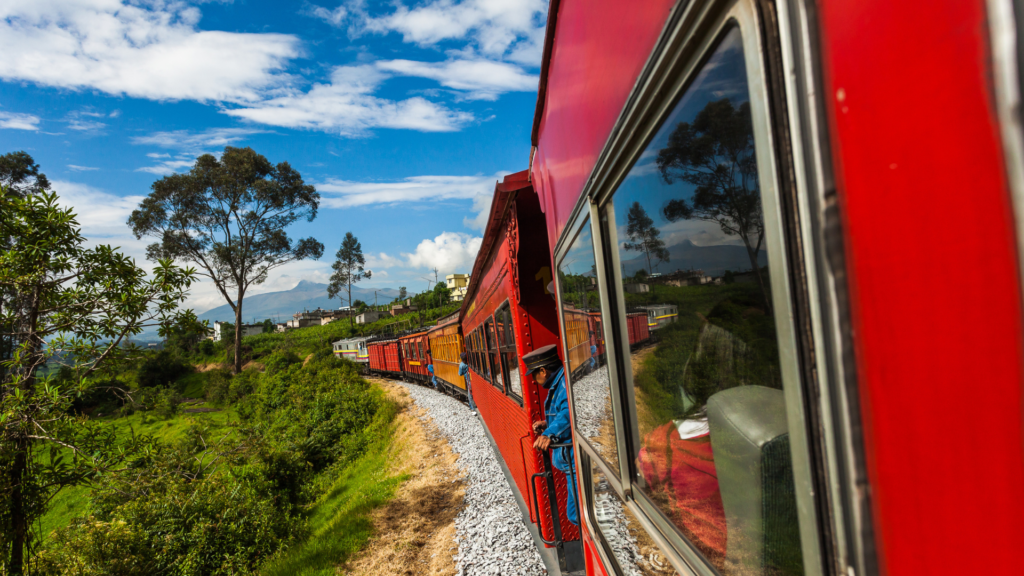
Construction of the Railway: Context and Meaning
The construction of the railway took place during a period of political ambition and transformation in Ecuador. Promoted by President Eloy Alfaro as part of a broader modernisation effort, work began in 1899 under the direction of Archer Harman. Progress was slow and demanding, shaped by difficult terrain and harsh working conditions.
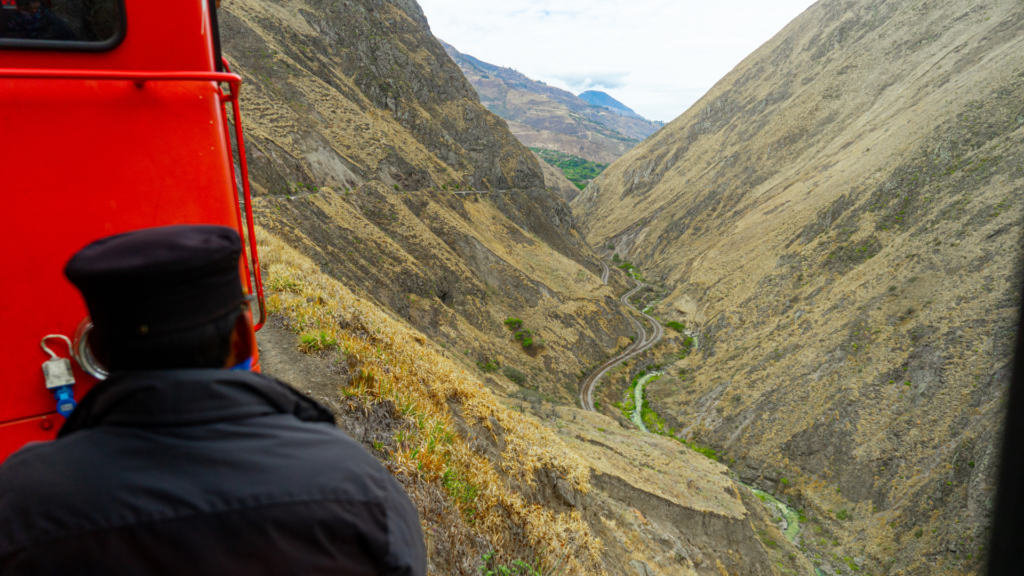
The most complex point of the project was the Devil’s Nose itself. The steep rock face made conventional railway construction impossible. To address this, engineers designed a system of switchbacks carved directly into the mountainside, allowing the train to descend and climb gradually by moving forward and backwards along the slope. The work relied on manual labour, basic tools, and explosives, and involved significant human effort.
For this reason, the Nariz del Diablo came to represent more than a technical solution. It became a reference point for the scale of the challenge faced at the time and the determination required to complete it, remaining closely linked to the history of the surrounding Andean territory.
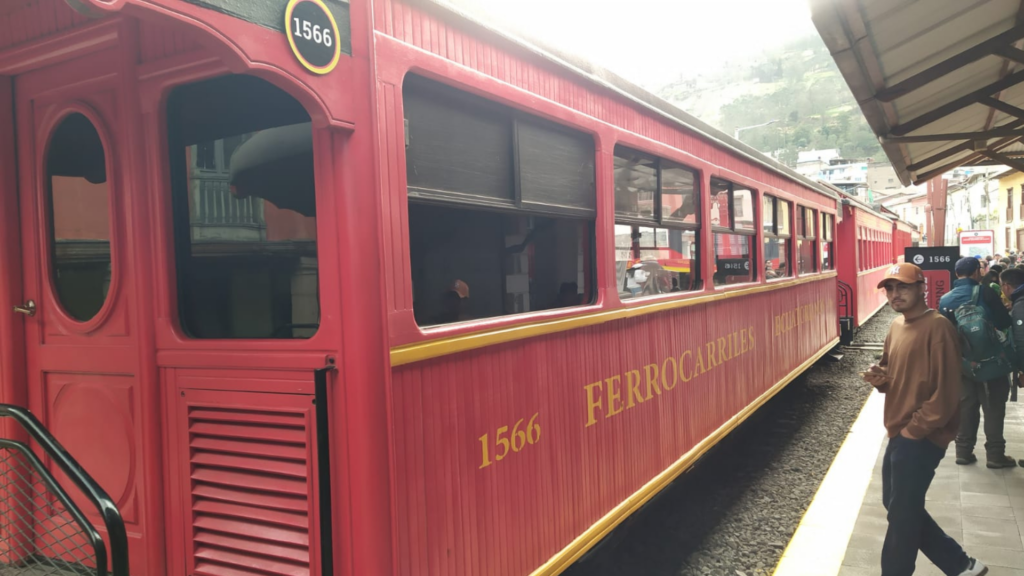
Modern Revival, Local Impact, and the Experience Today
In later decades, the Devil’s Nose gained new visibility as a heritage attraction. After operations stopped during the COVID-19 pandemic, the train has returned, bringing renewed activity to local communities such as Alausí, Tolte, Nizag, and Sibambe.
Today, the Devil’s Nose journey focuses on the historic section between Alausí and Sibambe, following the original switchbacks. Along the route, travellers gain a clear sense of the terrain, the logic behind the zigzag design, and the scale of the landscape. Time during the journey allows for observation of the surroundings and contact with the communities that remain part of the train’s history.
After several years of interruption, the Devil’s Nose Train is gradually coming back into operation. Its reopening brings renewed movement to the region and allows this historic route to be experienced again, closely connected to the places and communities along the way.
For more information about experiencing the Devil’s Nose Train or to see how it can be included in your clients’ itinerary with Geo Boutique Travel Designer, please contact millie@americas.co.uk