
Uruguay’s culinary culture is shaped by simplicity, warmth and community. Influenced by European immigration and local traditions, its food experience reflects a lifestyle centred on sharing and celebrating everyday moments. From family kitchens to seaside markets and weekend grills, it blends comforting flavours with deeply rooted rituals.
Asado, More Than Grilled Meat – It’s a Cultural Ceremony.
Uruguay is renowned for its high-quality beef, cooked slowly over wood embers for a distinctive smoky flavour. A variety of cuts mixed with chorizos and offal, such as sweetbreads, kidneys, and intestines. Whether at a street stall, restaurant, or home, the aroma of a wood-fired grill defines weekends and gatherings. A prime location for asado is Mercado del Puerto in Montevideo, a traditional space where grills are fully visible, and smoke fills the market each midday, bringing several parrillas together and creating lively movement in the surrounding area.
Chivito, The National Sandwich
Created in 1946 in Punta del Este, the chivito, also called the “Canadian chivito” for its bacon, layers of tender beef, ham, cheese, a fried egg, lettuce, tomato, and mayonnaise. Available from food trucks to restaurants, it reflects Uruguay’s generous and comforting food culture.
A notable spot for chivito is Bar Arocena in Carrasco, Montevideo. Located on Arocena Street, this bar boasts 90 years of history, features in local anecdotes and films like Society of the Snow, and has welcomed famous visitors, including Mick Jagger. It remains a reference point across Montevideo.
Milanesas and Empanadas – Everyday Staples
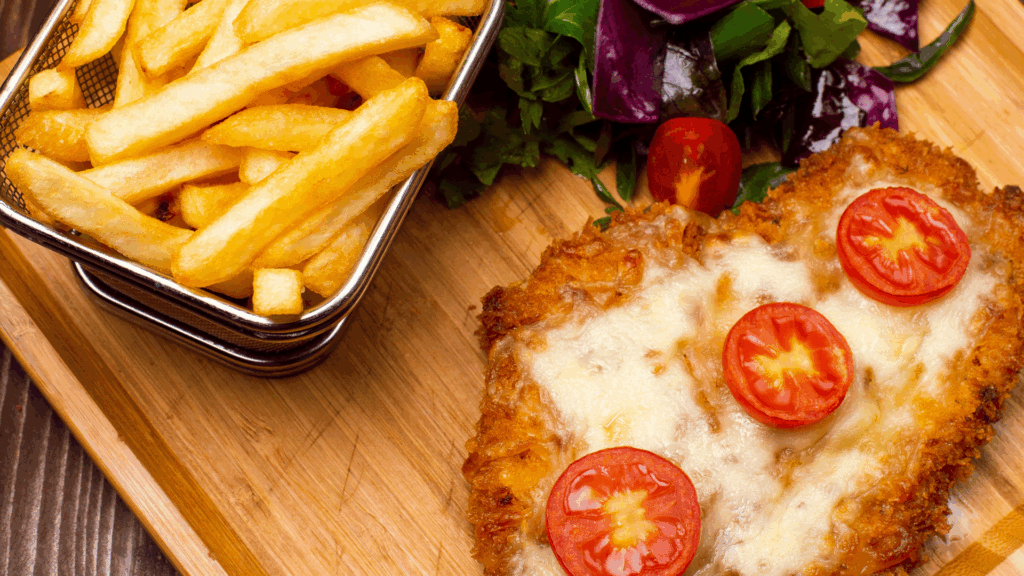
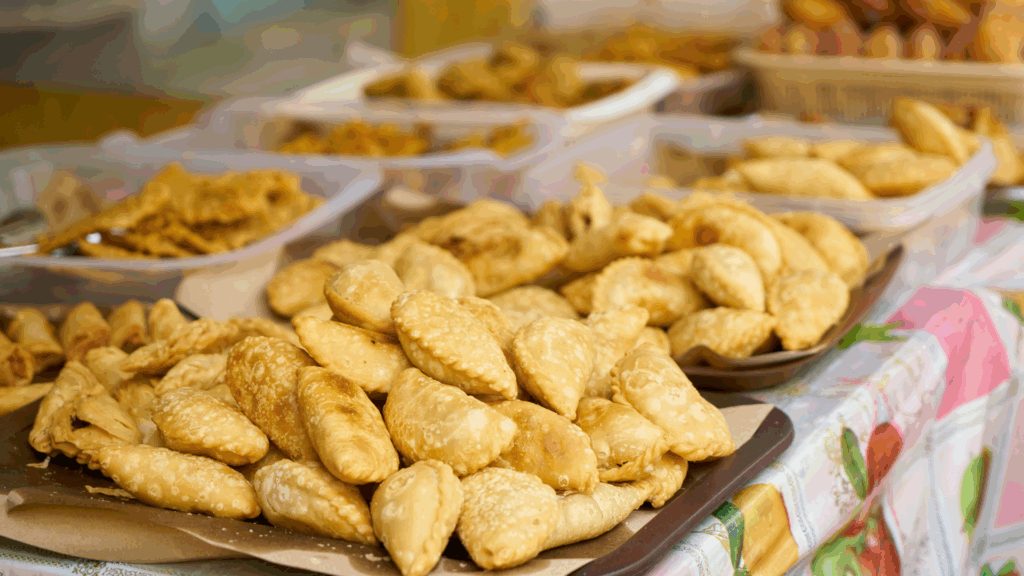
A legacy of Italian immigration, milanesas are ubiquitous in Uruguay. Commonly made with beef or chicken, fried or baked, plain or “napolitana,” they appear as plated dishes or sandwiches across the country. Equally essential, empanadas are sold in bakeries, restaurants, and street stalls, with traditional fillings like beef or ham and cheese, though countless varieties exist.
A great place to enjoy empanadas is Bar Facal in downtown Montevideo. Founded in 1882, it is the oldest bar in the city centre and is known for landmarks such as the “lovelocks” fountain, the Carlos Gardel statue, and midday tango shows. Empanadas are a regular and featured part of its menu, reflecting the bar’s dedication to traditional Uruguayan cuisine.
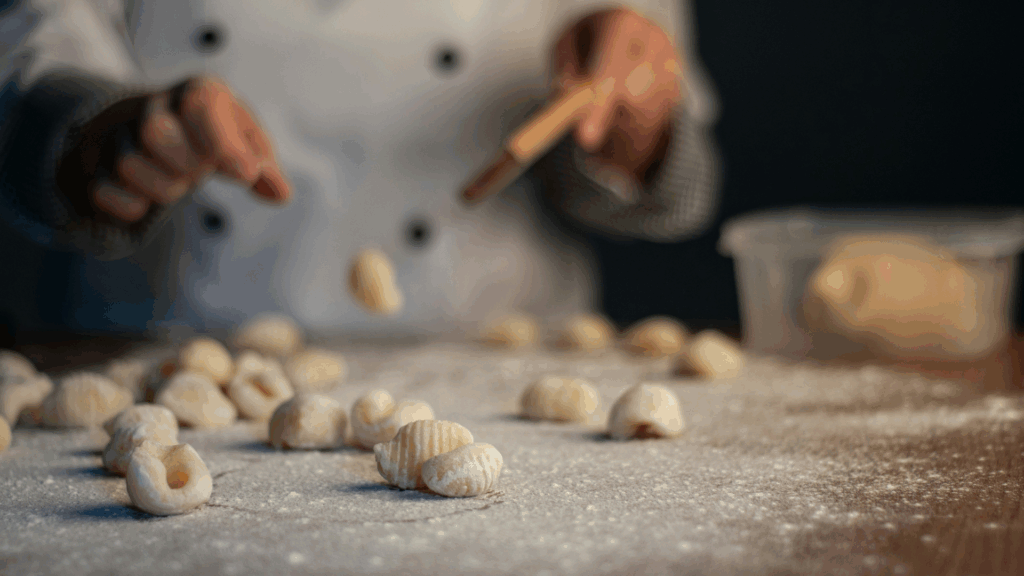
Gnocchi on the 29th, a Ritual of Prosperity
On the 29th of each month, Uruguayans eat gnocchi with a coin or bill under the plate to attract abundance. The custom, rooted in Italian immigration, is linked to the legend of Saint Pantaleon, a pilgrim offered a humble meal on the 29th who blessed the family and left coins beneath his plate. Since then, the gesture symbolises prosperity.
Coastal Flavours
Along Uruguay’s shores, seafood specialities shine: miniature fried fish, siri crab croquettes and seaweed fritters, often enjoyed in seaside restaurants and beach stands. These dishes reflect the country’s close relationship with the Atlantic coast.
Tortas Fritas, A Tradition for Rainy Days
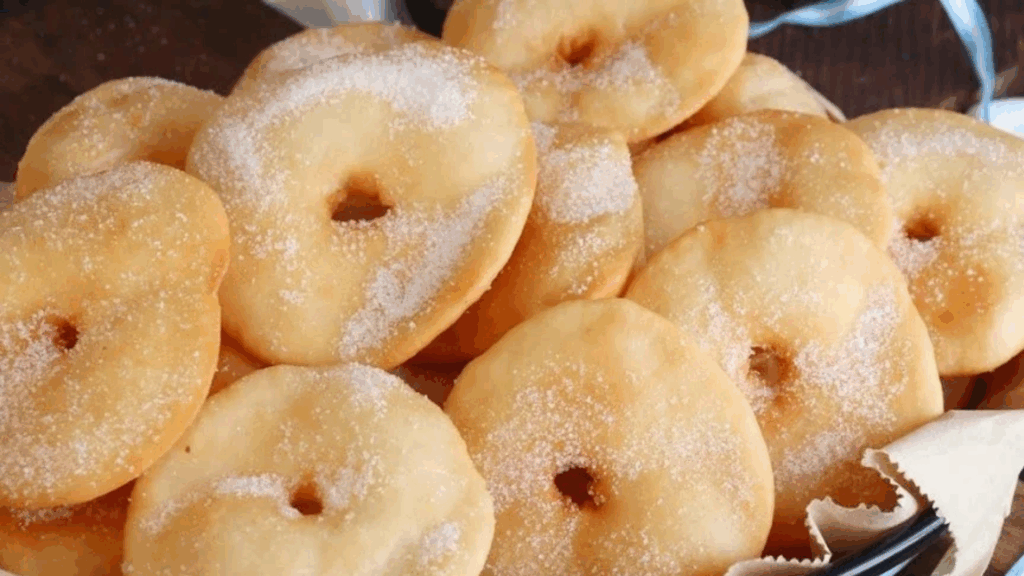
Made from a simple dough of flour, salt, and water, tortas fritas are fried in beef fat. Found at street stalls across the country, they are especially popular on rainy days, often attracting long lines of customers. This comforting tradition warms both body and spirit, with many locals associating rainy days with enjoying tortas fritas.
A great place to try them is at street stalls or “El Rey de las Tortas Fritas” in Montevideo. Sold along the Rambla, in squares, parks, and main avenues, tortas fritas come in classic versions as well as topped varieties. The popular “El Rey de las Tortas Fritas” often draws long lines, making it a beloved destination for this iconic treat.
Dulce de Leche, Sweet Heritage
Smooth and amber-coloured, dulce de leche is made by slowly cooking milk and sugar until caramelised. It enriches cakes, alfajores, crepes, and pastries, and is recognised by UNESCO as a gastronomic heritage of the Río de la Plata region, shared between Uruguay and Argentina. Found in bakeries and pastry shops across the country, it is a staple ingredient in countless desserts.
One specific tour in Montevideo by Buemes DMC offers the ultimate dulce de leche experience. After exploring landmarks like Solis Theatre, Independence Square, the Congress Building, the Obelisk, and the Soccer Stadium, guests visit a local restaurant and brewery. A renowned young chef, inspired by German beer recipes from his wife’s family, pairs craft beer with local baking techniques, including his own dulce de leche. Following a guided tour and explanation of the brewing and cooking processes, guests enjoy lunch featuring Mantagliato and dulce de leche desserts. Each person receives a jar to take home, savouring this sweet heritage long after the tour ends.

Tannat wine
Tannat, Uruguay’s flagship grape since 1877, has earned international acclaim for its mature tannins, depth and velvety structure. Rich in polyphenols and resveratrol, it’s considered the healthiest red wine. It pairs beautifully with local meats and cheeses.
There are so many different experiences available through Uruguayan vineyards with Buemes DMC, including Narbona, Spinoglio, Pizzorno offering wine tasting and cooking classes, home-cooked lunch, cheese tasting, and so much more.
Mate, The Companion of Uruguayans
Uruguay is the world’s largest consumer of yerba mate per capita, and it is the country’s most powerful cultural symbol. Carried in a traditional gourd or in modern steel or ceramic versions, along with a thermos and a metal straw, mate accompanies Uruguayans everywhere: parks, offices, universities, and homes. For locals, it is an extension of the body, a constant companion, and a shared ritual that defines national identity. It appears in every corner of daily life.
Mate is not served as a drink in cafés or restaurants, though. Your guests would need their own kit to prepare it, and sharing is part of local culture. It is commonly seen in the hands of Uruguayans as they go about daily life.
For more information on culinary experiences in Uruguay or any adventures with Buemes DMC – Uruguay , please contact millie@americas.co.uk