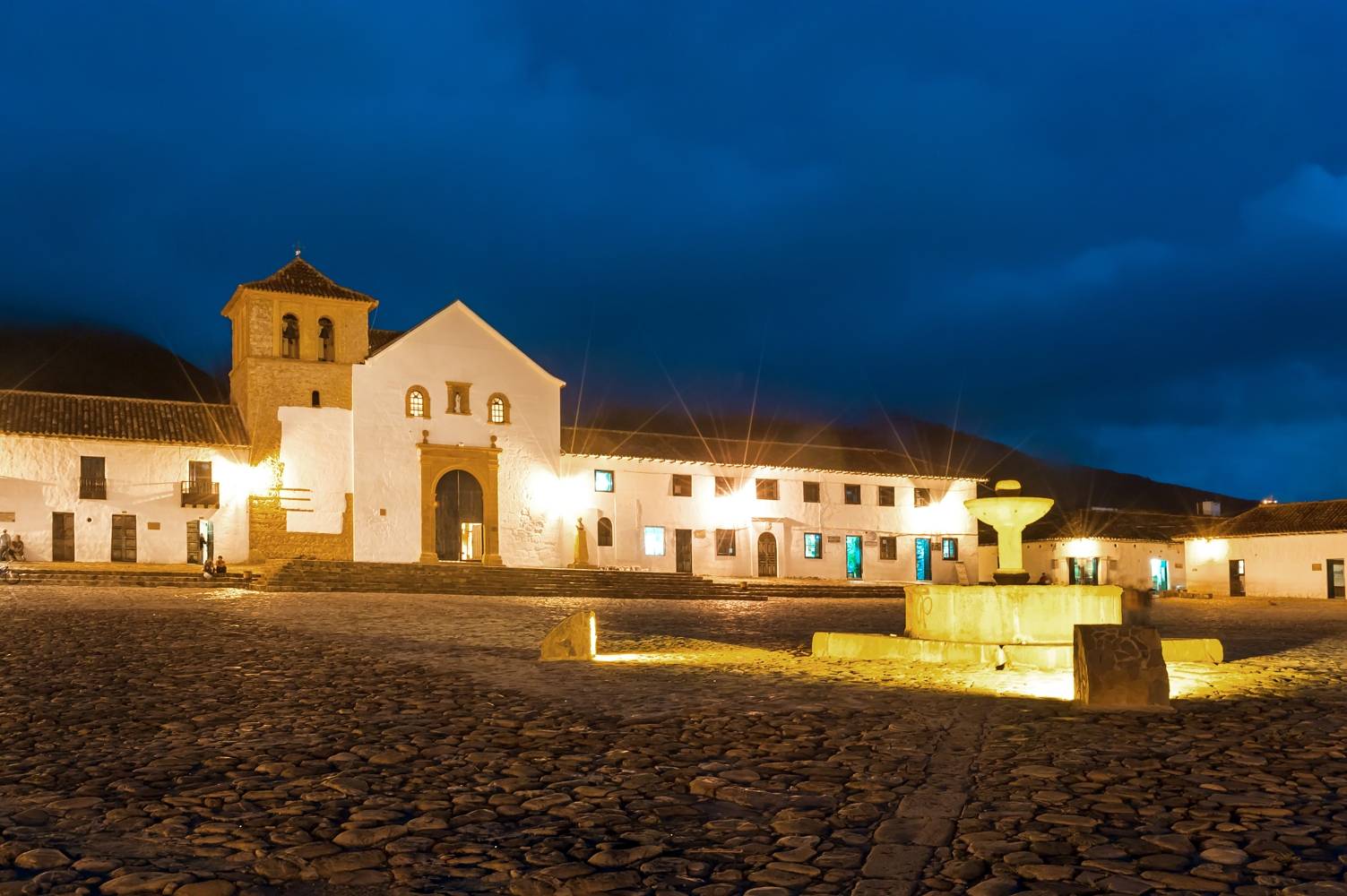

Colombia has a fascinating colonial heritage that comes to life in the façades of Cartagena de Indias. Beyond its imposing walls, balconies stand as the city’s most iconic symbol, bridging the stately elegance of the Historic Centre with the bright and vibrant Getsemaní. These structures are not just decorative; they are masterpieces of carpentry that serve as the very face of Cartagena’s identity.
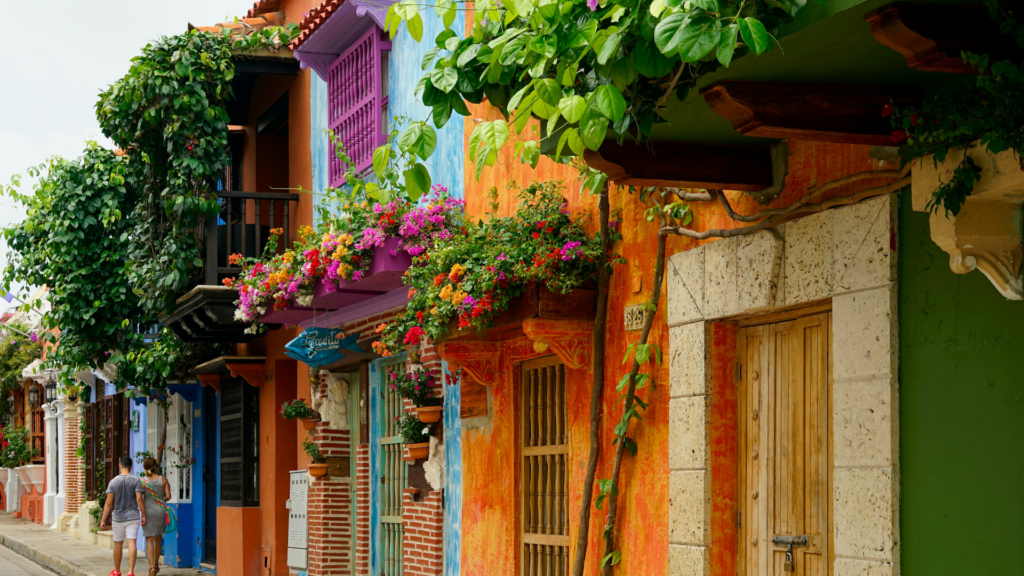
What makes these balconies truly special is their harmony between art and function. Historically, their design reflected the social status of their inhabitants, but their brilliance lies in their technical purpose. Carved from fine woods with sturdy supports or “canecillos,” they act as natural ventilation systems, capturing the Caribbean breeze and cooling interiors in the tropical climate.
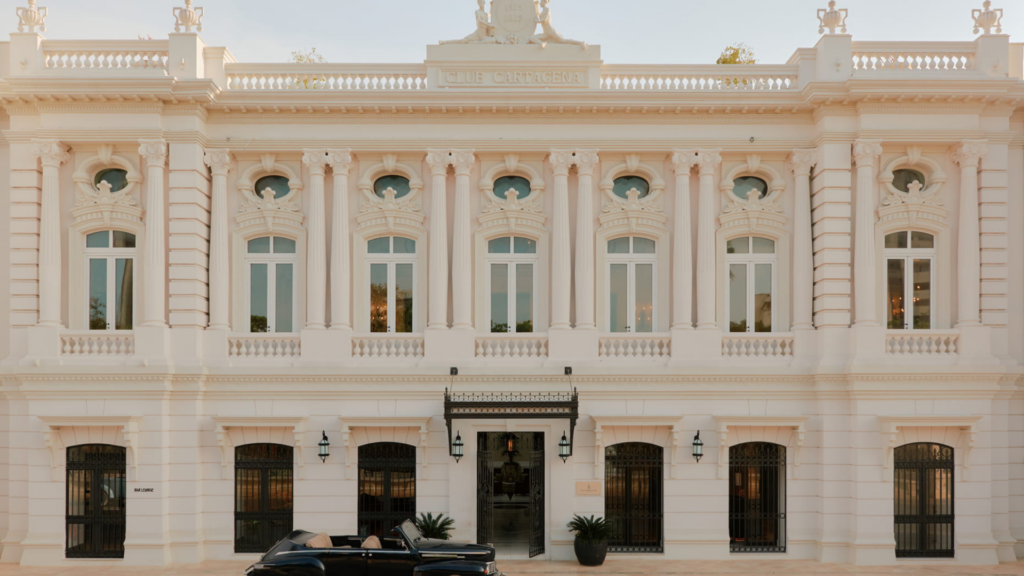
This architectural mastery has allowed centuries-old buildings to be transformed into luxury hotels, while preserving their essence. An example is the Four Seasons Cartagena, which has revived a complex of historic buildings, including the 16th-century San Francisco Temple and the 1920s Cartagena Club, integrating Spanish and African heritage in a setting where the balcony remains central. Similarly, Casa Carolina, a 16th-century property facing Plaza de la Proclamación, preserves its original colonial balconies alongside coral stone walls.
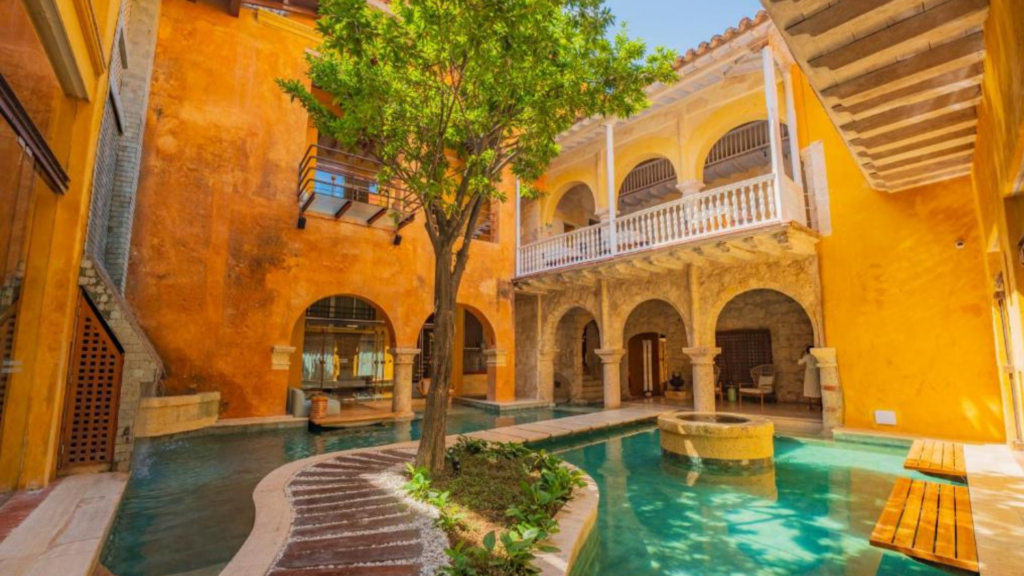
The aesthetic varies according to the rhythm of each area. In the Historic Centre, hotels such as Sofitel Legend Santa Clara (a former convent from 1621) and Charleston Santa Teresa, with more than 400 years of history, feature balconies and arcades that reflect the elegance of colonial and republican styles. In contrast, in Getsemaní, balconies burst in shades of yellow and blue, always framed by cascading fuchsia bougainvillaea.
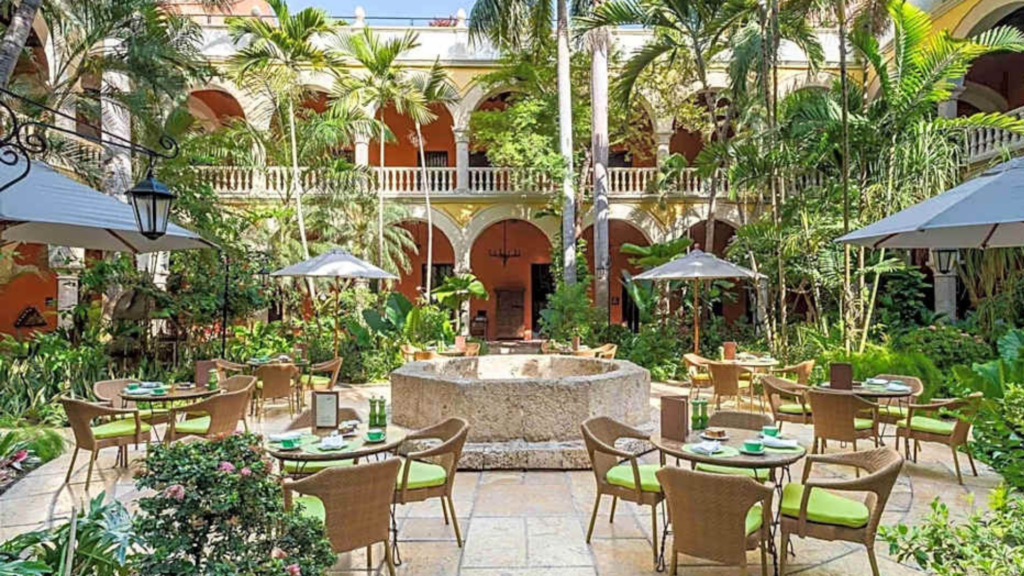
Today, these balconies remain living stages. On streets such as San Juan or La Sierpe, they serve as a bridge where neighbors converse with passersby, preserving the neighborhood spirit. Among colonial squares and hotels that tell centuries of history, Cartagena’s architecture is not a static monument, but a living narrative of structure and flowers that invites visitors to discover the heart of Colombian magical realism.
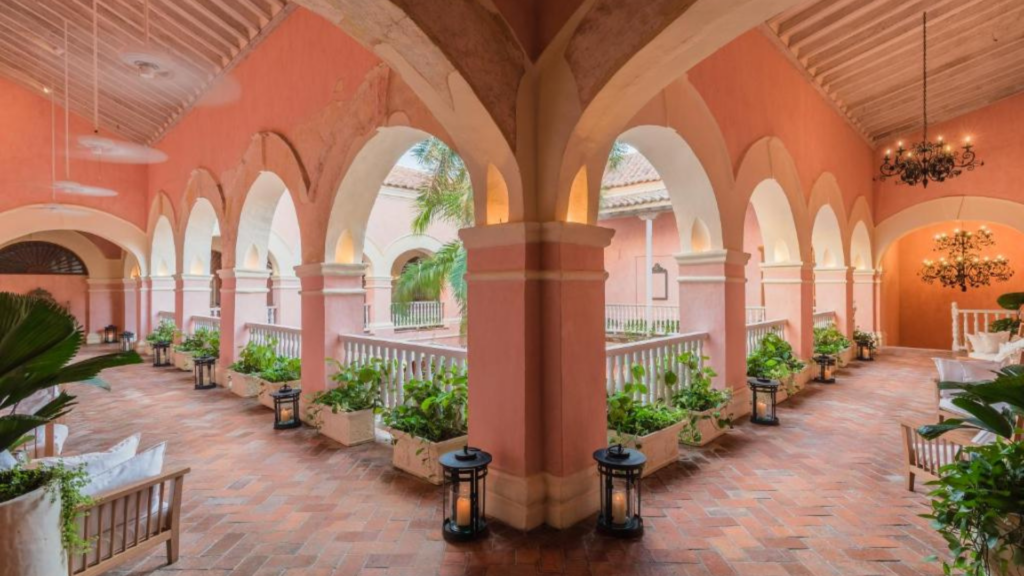
For any further information on this subject, or any other experiences through Colombian Journeys, please contact millie@americas.co.uk