
Water Adventures in Mexico: Highlights from Baja California and the Yucatan Peninsula
Mexico’s diverse geography provides unique opportunities to engage with marine and freshwater environments. Two regions in particular, Baja California and the Yucatan Peninsula, stand out for their distinctive aquatic offerings. Native Trails offers round trips combining both areas or tailor-made tours for individual travellers.

Baja California: Whale Migration and Coastal Landscapes
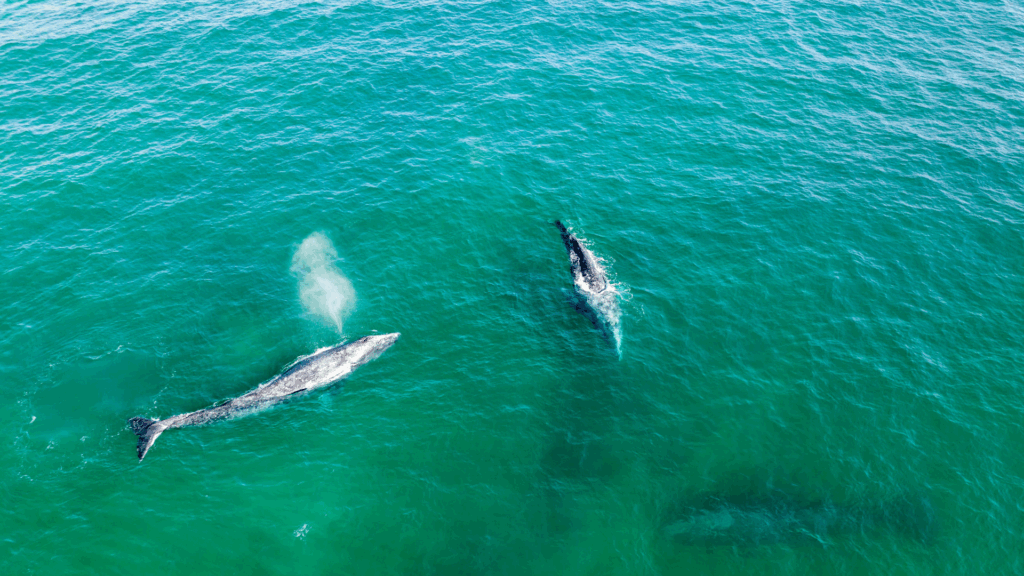
Baja California’s whale watching season extends from December to April. The gray whales migrate annually to the calm, shallow lagoons of Guerrero Negro to breed and raise their calves, creating a rare chance for observation. These gentle mammals are a key feature of the region’s marine ecosystem. Snorkelling with sea lions is another highlight at Isla Espiritu Santo from October to May (subject to climate), when their pups are most playful.
Further south, near Cabo San Lucas, blue whales are typically spotted between February and April. These are the largest animals on Earth, and their presence in the Pacific waters is significant for marine biodiversity.
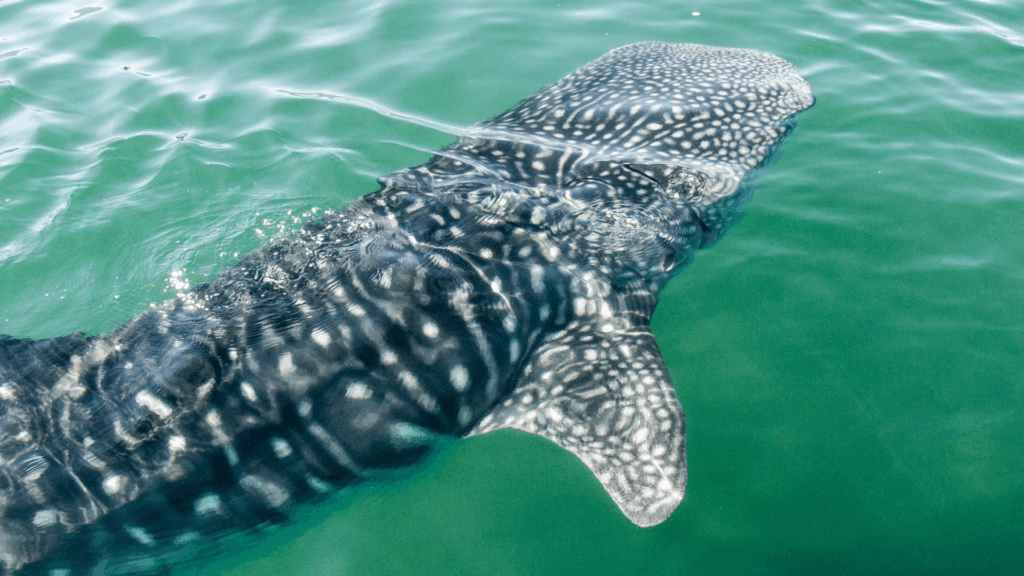
In Baja California, whale sharks are most common between October and April. However, the best time for whale shark sightings is from November to May, with the greatest concentration in the Gulf of California. There is a particularly good chance of encountering these gentle giants in the Bay of La Paz (November to February).
The coastline also includes notable natural formations such as El Arco, a striking sea arch, and Lovers Beach, accessible only by boat and known for its quiet atmosphere and clear waters. Occasionally, whales are spotted during the sundowner tours as the most wanted VIP guests as well.
Yucatan Peninsula: Whale Sharks, Cenotes, and Muyil Lagoon
In the tropical waters off the Yucatan Peninsula, whale shark sightings occur primarily from June to September near Isla Holbox and Isla Mujeres. These slow-moving filter feeders are the largest fish species and are important both ecologically and culturally. Visiting nature lovers can swim and snorkel with the giants up close on daily tours, where manta rays, sea turtles and dolphins can be spotted.
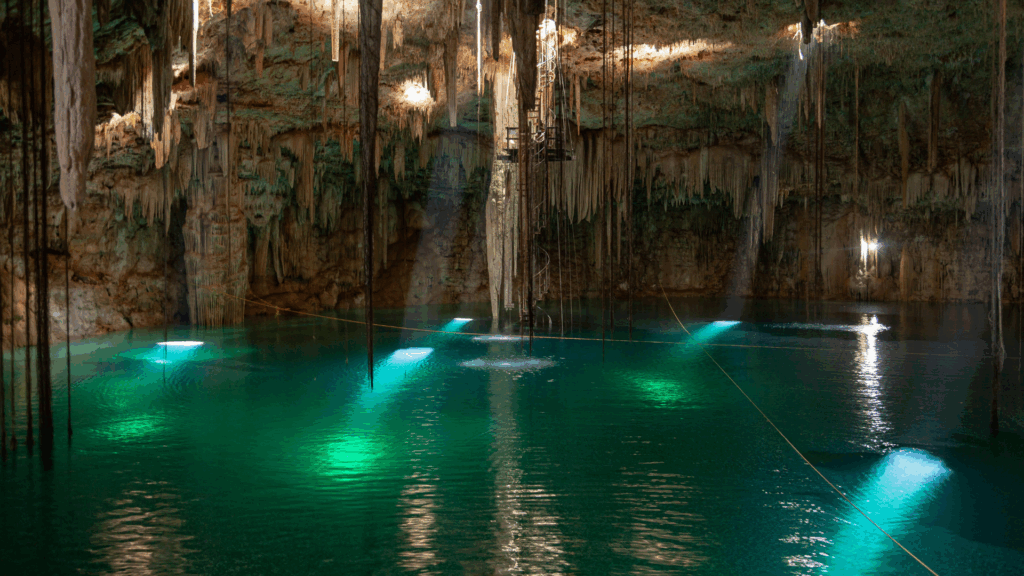
The region’s cenotes (natural sinkholes filled with freshwater) offer unique opportunities for swimming and diving. These formations are part of an extensive underground river system and hold cultural significance for the Maya civilization.
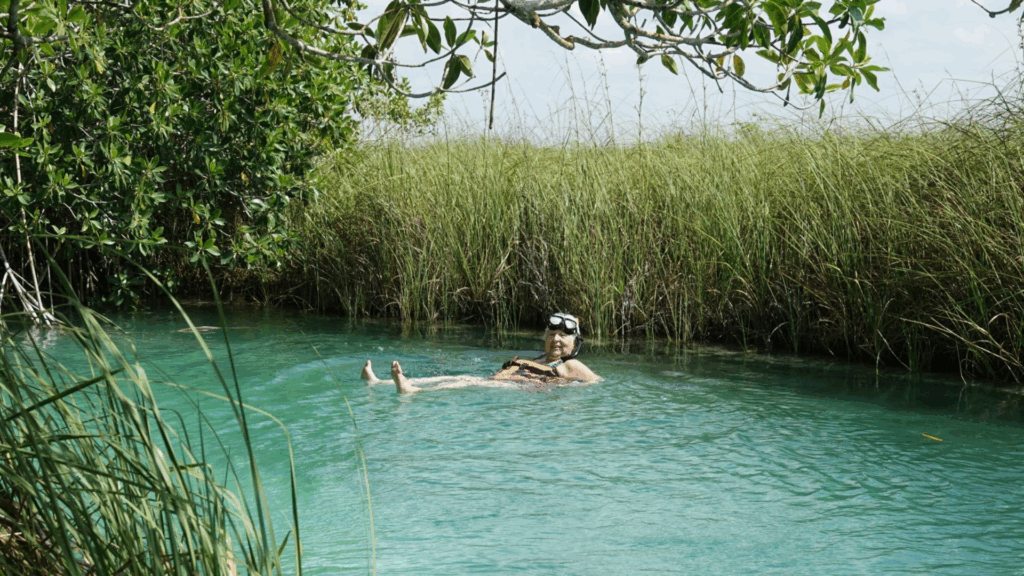
Additionally, the Muyil Lagoon, located within the Sian Ka’an Biosphere Reserve, provides a serene environment for floating tours amid mangroves and diverse wildlife, illustrating the interconnection of aquatic ecosystems and natural heritage.
Both Baja California and the Yucatan Peninsula demonstrate Mexico’s rich aquatic environments and the importance of conserving these habitats. Through responsible tourism supported by Native Trails’ corporate identity and ongoing research, these regions continue to provide valuable insights into marine and freshwater ecosystems.
For more information on water adventures in Mexico or any adventures with Native Trails, please contact millie@americas.co.uk