Sucre: Bolivia in White
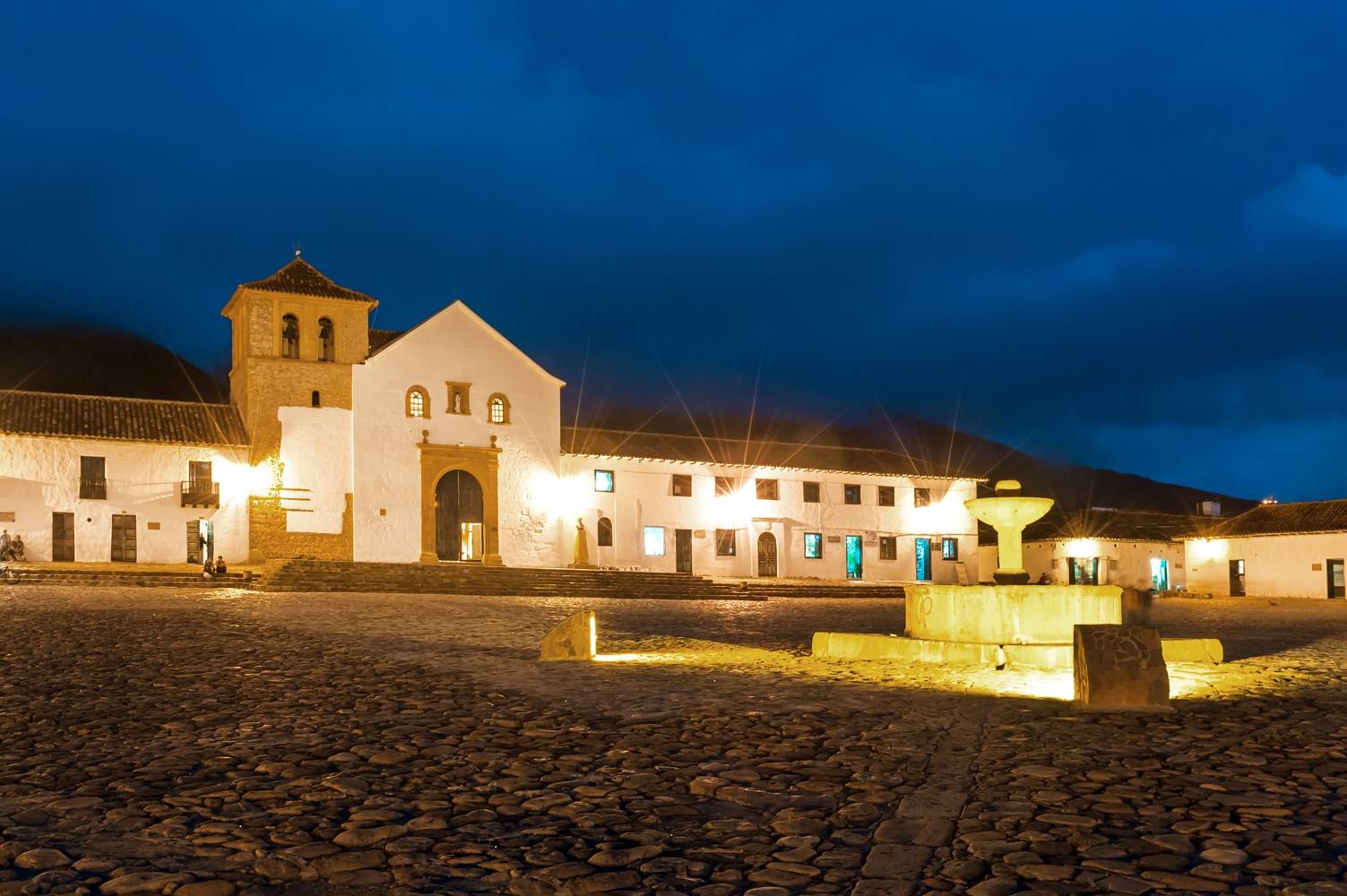
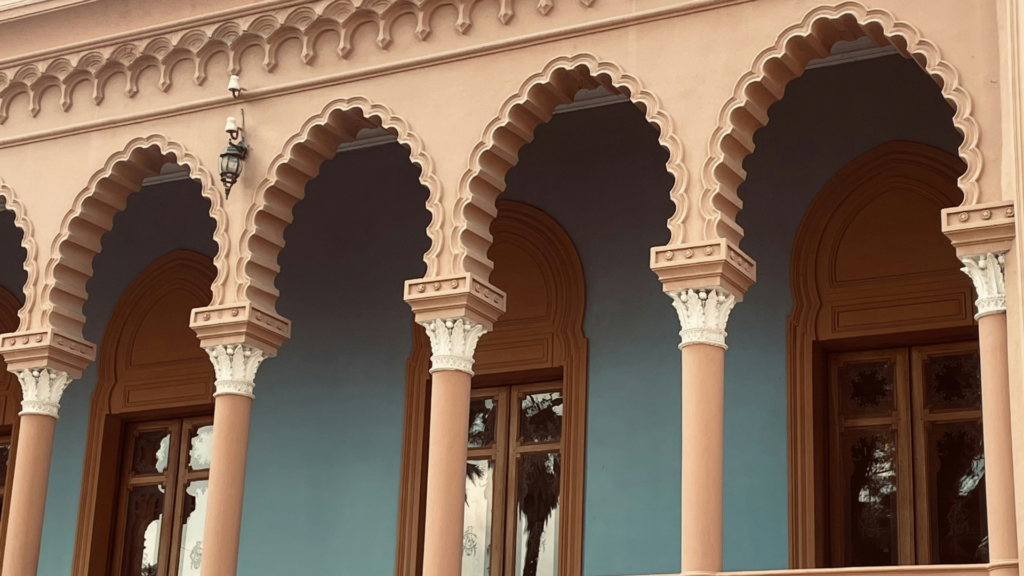
There is an elegance to Sucre that reveals itself slowly. Behind its white façades are tiled courtyards, quiet cloisters and churches that have watched the city evolve for nearly five centuries. Founded in 1538 on lands associated with the indigenous Yampara culture, Sucre became an important cultural centre. Its historic heart, recognised by UNESCO as a World Heritage Site in 1991, is particularly notable for the way local architectural traditions were woven together with European Renaissance, Gothic, Baroque and later Neoclassical influences.

Yet Sucre is more than preserved architecture. Bolivia’s independence story is closely entwined with the city, and the Casa de la Libertad remains one of its most significant landmarks.
Today, walking its old streets still feels remarkably intimate — a city best discovered on foot, looking through open doorways and occasionally upwards, towards terracotta rooftops and the surrounding hills.

Potosí: The Mountain That Changed the World
From Sucre, the road climbs deeper into the Andes towards Potosí. Above the city rises Cerro Rico, the mountain whose extraordinary silver deposits made Potosí one of the most important cities of the Spanish colonial world. By the 16th century, the area was regarded as the world’s largest industrial complex, its silver extraction supported by an elaborate system of reservoirs, aqueducts and hydraulic mills.
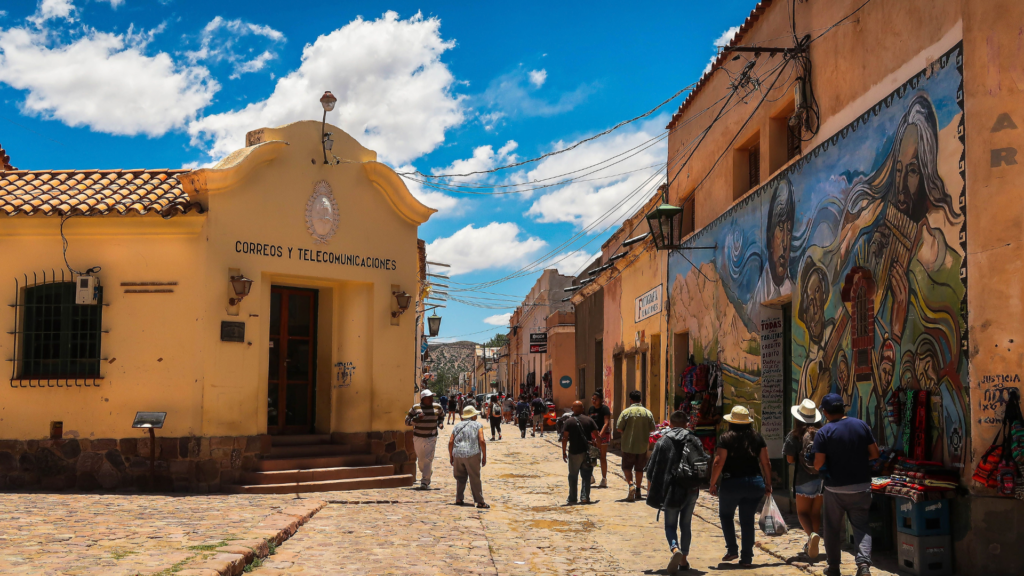
The UNESCO World Heritage property encompasses Cerro Rico alongside the colonial city, Casa de la Moneda, San Lorenzo and other historic buildings and neighbourhoods. Potosí feels inseparable from its mountain. Its streets, churches and grand colonial buildings tell the story of immense wealth, but also of the indigenous labour and human cost behind it. It is one of the places where the scale and complexity of Andean history become impossible to ignore.
Uyuni: Where the Streets End
Beyond Potosí, buildings become scarcer. Roads stretch across increasingly open country, settlements grow smaller and the sky seems to expand.
Then comes Uyuni: Here, the journey shifts from architecture to landscape. The Salar de Uyuni — the world’s largest salt flat — creates a sense of scale that is difficult to grasp until you are standing within it. In the dry season, its geometric salt crust disappears towards the horizon; when covered by a thin layer of water, the surface becomes an immense natural mirror.
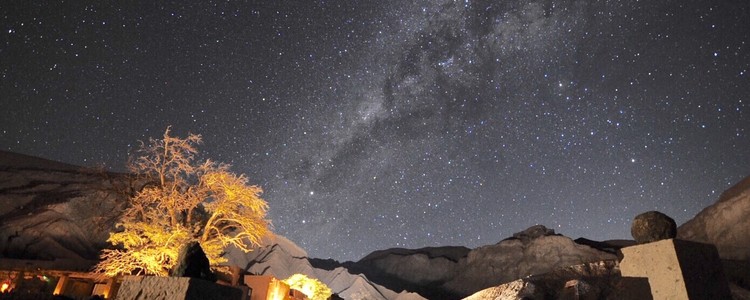
Experiencing Uyuni is about lingering in that remoteness rather than simply crossing it. Our private Crillon Tours Airstream Campers offer the rare privilege of sleeping alone amid the immensity of the Salar, far from the conventional hotel circuit and surrounded by little more than silence and an uninterrupted horizon. Days of exploration give way to sunset, a private dinner and, once darkness settles across the Altiplano, extraordinary stargazing beneath some of Bolivia’s clearest skies. It is an experience defined as much by solitude and stillness as by the landscape itself.

If you would like more information about Bolivia’s colonial cities or any experiences by Crillon Tours, please contact millie@americas.co.uk